
Complete Smart Systems for Energy Management Systems
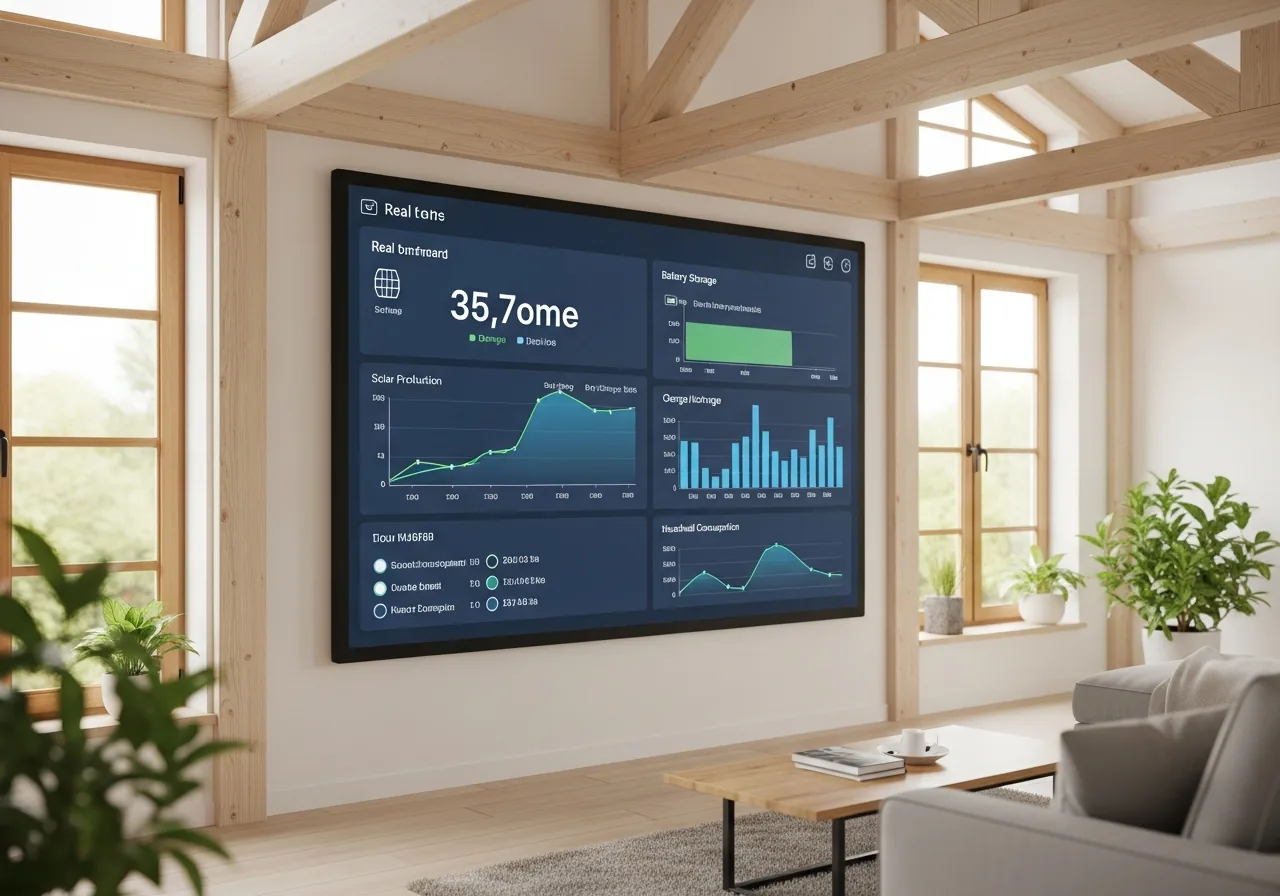
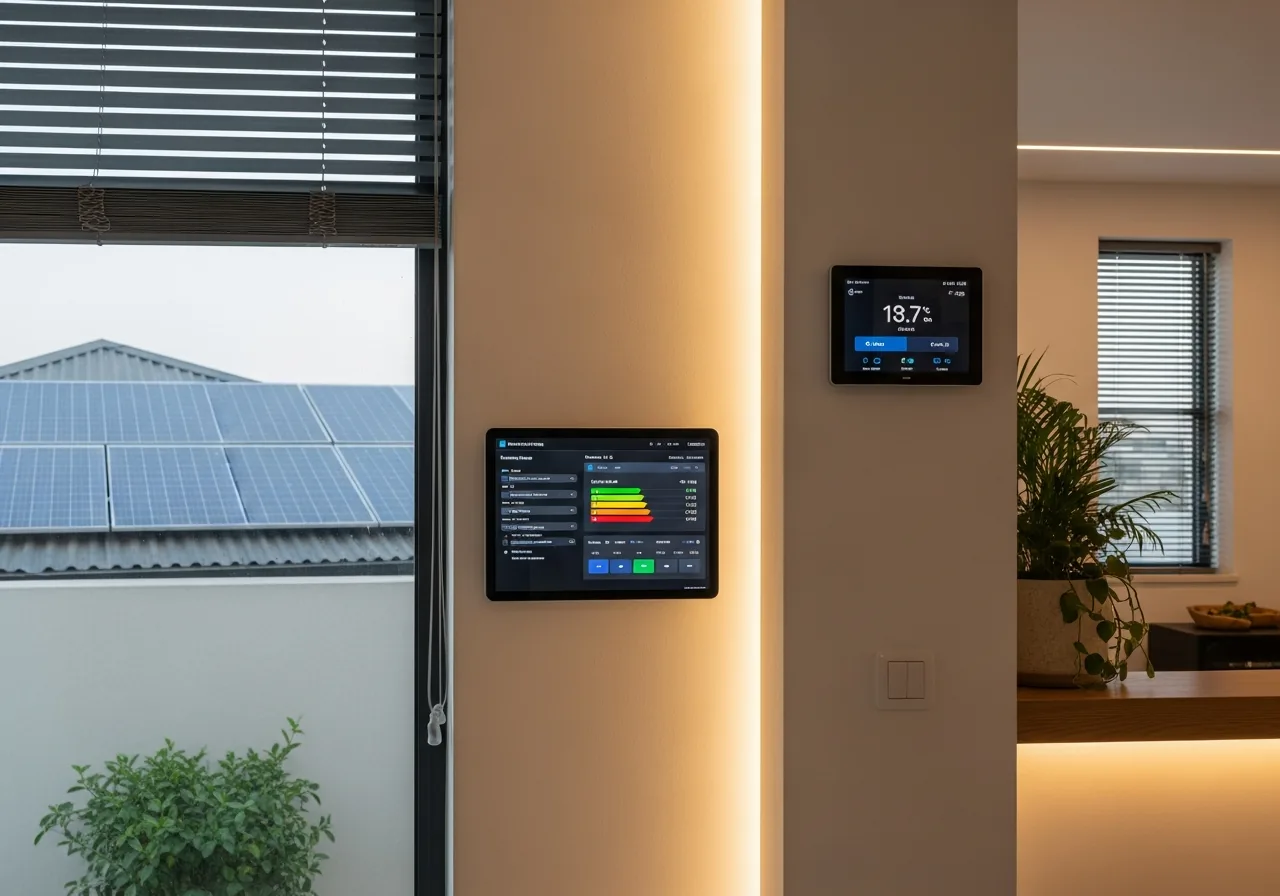
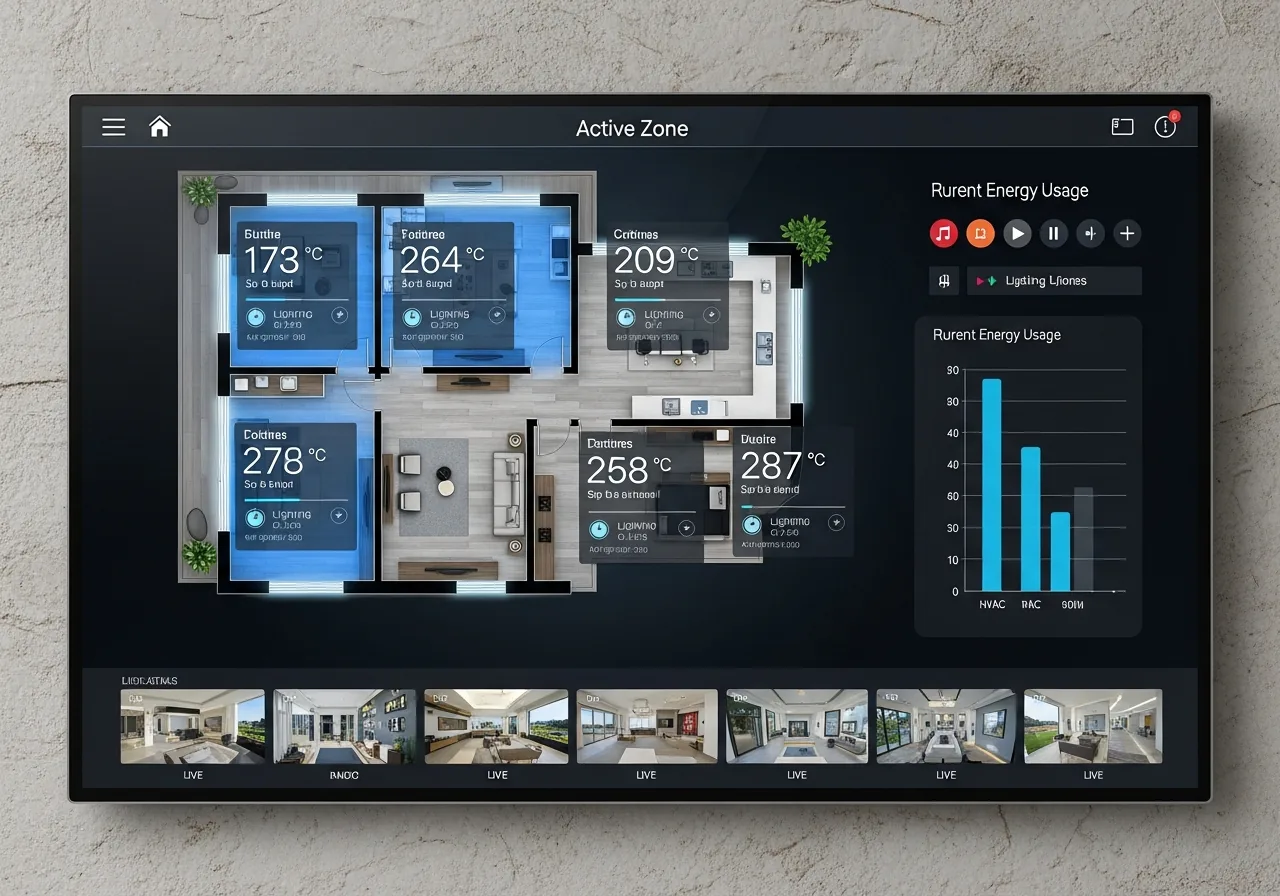
LEXA energy management systems provide visibility into Dubai home electricity consumption. Real-time monitoring shows usage by circuit—identify energy hogs like AC, pool pumps, or appliances. Automated rules reduce waste: dim lights when rooms empty, adjust AC based on occupancy, schedule pool pumps for off-peak hours. Historical data reveals patterns and savings opportunities. Integration with smart home enables energy-saving scenes. Typical DEWA bill reductions: 25-40%. ROI in 2-3 years for large villas.
Why Choose LEXA?
Custom Design
Every system engineered for your exact space
Premium Brands
4+ certified technology partners
Full Integration
AV, lighting, climate, security — one system
UAE Expertise
10+ years in Dubai & Abu Dhabi projects
Products We Offer
Explore the systems and technologies we integrate into Energy Management Systems environments


Brands We Integrate
We work exclusively with world-class AV and automation manufacturers
Inspirations
Modern Energy Management Systems designs featuring the latest in smart technology

Frequently Asked Questions
What is smart energy management?
Smart energy management monitors and optimizes electricity consumption across your property. Features include real-time monitoring, load management, demand response, renewable integration, and detailed analytics for cost reduction.
How much can I save with energy management?
Typical savings are 15-30% on electricity costs through optimization, scheduling, and waste elimination. ROI typically 1-3 years. Savings increase with renewable energy integration and demand response participation.
How much does energy management cost?
Energy management systems range from AED 20,000 for homes to AED 8,333+ for commercial buildings. Cost depends on monitoring points, integration complexity, and features. Often funded through energy savings.
What does real-time monitoring show?
See consumption by circuit, HVAC, lighting, and major equipment in real-time. Compare against baselines, identify anomalies, and track trends. Mobile apps provide access from anywhere.
How does solar/renewable integration work?
Systems monitor solar production, battery storage levels, and grid consumption. Optimize self-consumption, manage battery charging/discharging, and maximize renewable energy use while maintaining comfort.
What is demand response?
Demand response reduces consumption during peak utility periods in exchange for incentives. Smart systems automatically shed non-critical loads or pre-cool/pre-heat before peak periods. Typically saves 10-20% additional.
Can you identify energy waste?
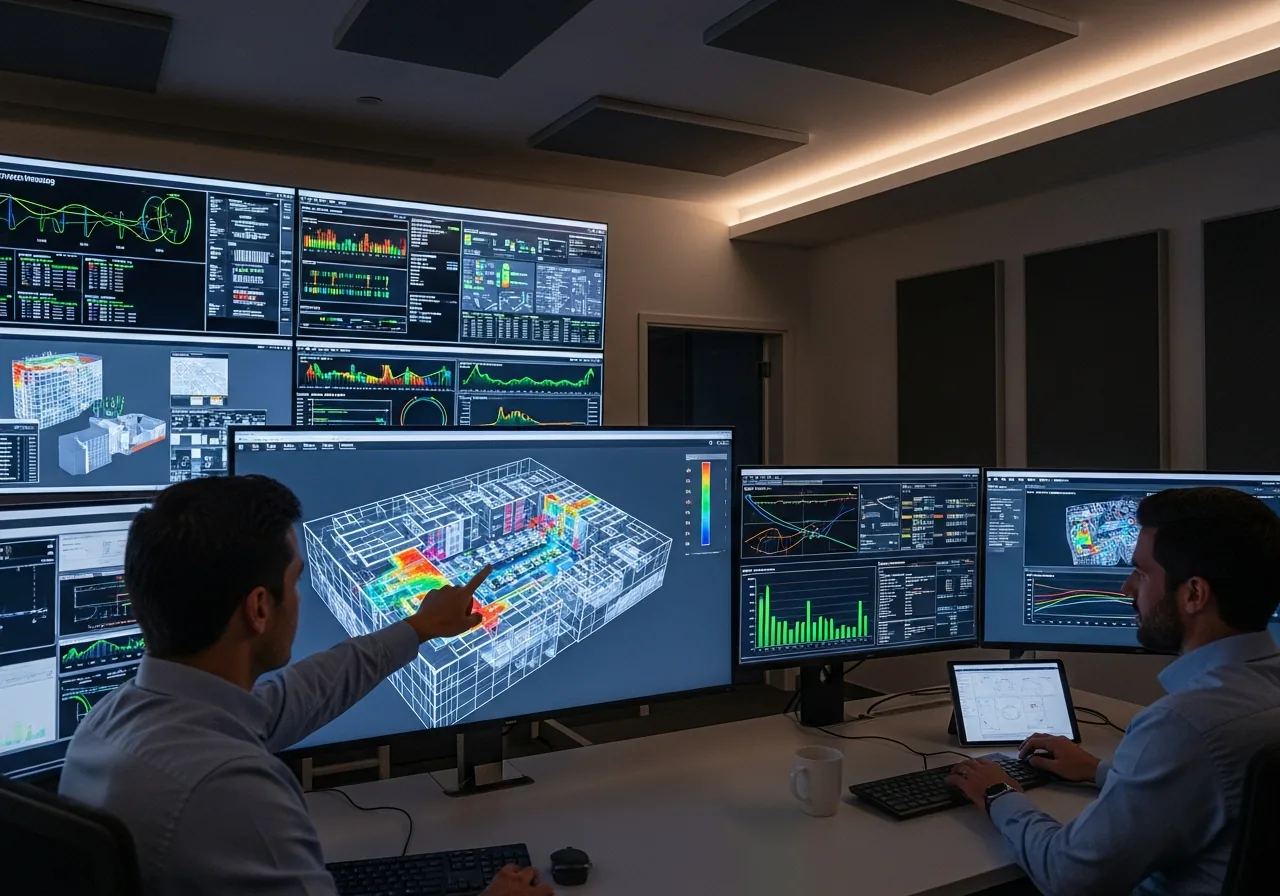
Yes, analytics identify: equipment running unnecessarily, inefficient operation patterns, standby power waste, and comparison against similar buildings. Reports highlight savings opportunities with estimated impact.
How does EV charging integrate with energy management?
Smart charging schedules EV charging during low-rate periods, limits charging speed during peak demand, and coordinates with solar production. Prevents electrical system overload while optimizing costs.
See it in action

Smart Home vs Traditional Home: Energy Comparison
gallery
Smart Home vs Traditional Home: Energy Comparison

Savant — Lighting, Audio, Video, Climate & Security in One Elegant App
service
Savant — Lighting, Audio, Video, Climate & Security in One Elegant App
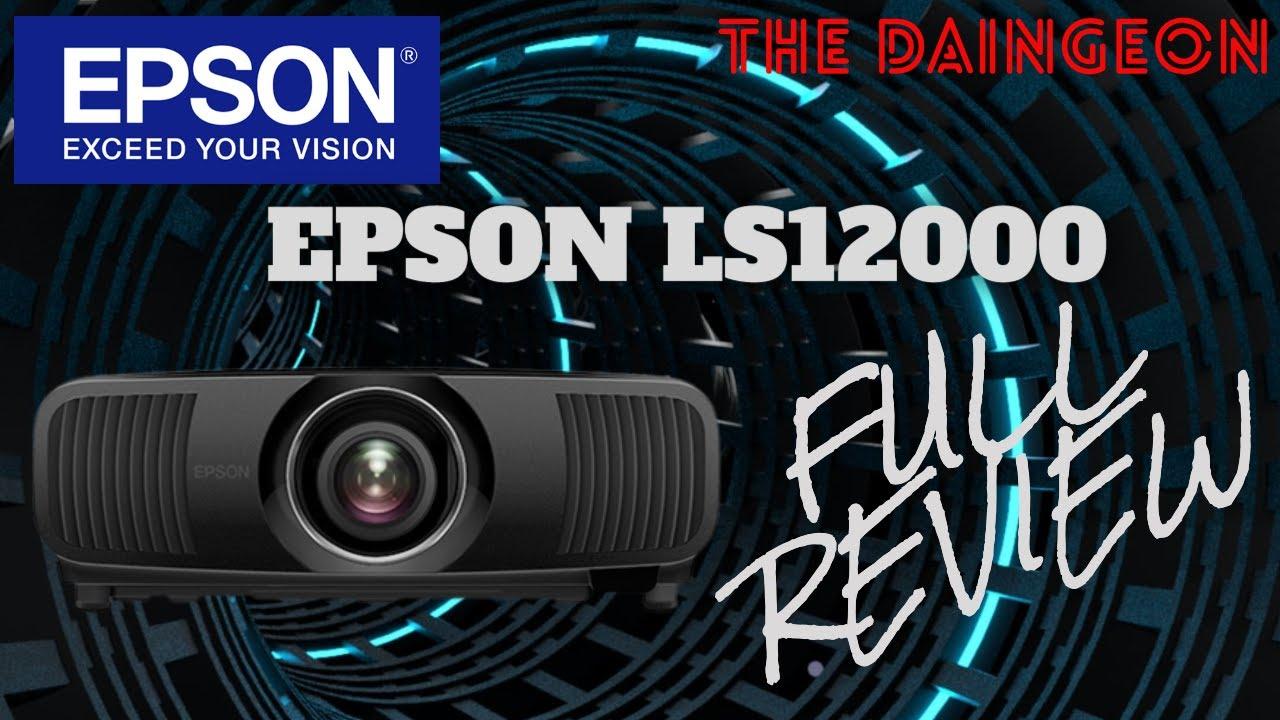
Epson LS12000 4K Pro-UHD Laser Projector — Full Review
service
Epson LS12000 4K Pro-UHD Laser Projector — Full Review
Explore More Solutions




Related Solutions
Discover complementary automation solutions for your space